
Uutiset
Tapahtumat
Katso tulevat tapahtumamme alta!
BIM - Muutoksen eturintamassa
Tervetuloa jo kolmatta kertaa järjestettävään rakennetun ympäristön BIM-päivään Clarion Hotel Helsinkiin 27.10.2026! Tapahtuma kokoaa yhteen alan päättäjät, asiantuntijat ja kehittäjät jakamaan näkemyksiä, oppimaan uutta ja rakentamaan yhdessä tulevaisuuden toimintamalleja.
Early Bird -liput myynnissä 31.8. asti!

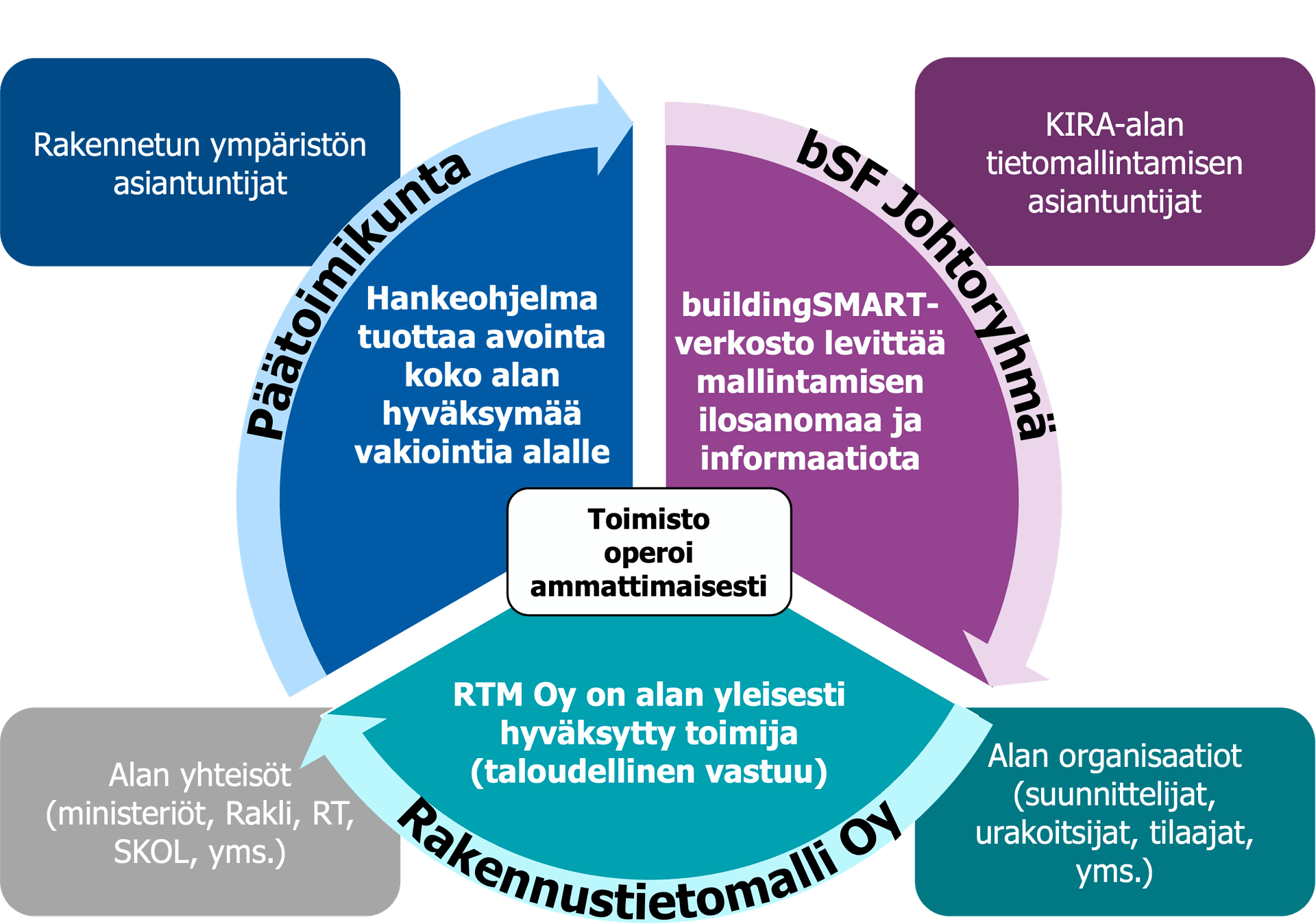
Vakiointia koko rakennetulle ympäristölle – yhdessä!
Vakioinnin tekeminen yhdessä kannattaa myös kestävän kehityksen näkökulmasta. Kestävyys ja ekologisuus ovat merkittävimpiä tekijöitä, jotka vaikuttavat keskusteluun kehityksestä ja talouskasvusta sekä Suomessa että globaalisti. Kiinteistö- ja rakennusala on kestävän kehityksen muutoksen ytimessä, ja alan tulee muuttaa toimintatapojaan kestävän kehityksen periaatteiden pohjalta. Rakennetun ympäristön tietomallintamisen vakiointi -hankeohjelma mahdollistaa kestävän kehityksen tehokkuudesta ja taloudellisuudesta tinkimättä.